Life in New York City is vibrant—and so is the wear and tear on your rugs. From subway grit and winter slush to pet accidents and everyday spills, area rugs in apartments, townhouses, and offices face a unique mix of challenges. Whether you have a hand-knotted Persian heirloom, a modern wool flatweave, a silk runner, or a durable synthetic rug, proper rug cleaning protects your investment, boosts indoor air quality, and keeps colors bright. While DIY spot cleaning can help in a pinch, New York’s blend of tight spaces, heavy foot traffic, and airborne soot means professional care often delivers the safest, most thorough results—especially when you value eco-friendly methods, precise fiber-specific cleaning, and convenient pickup and delivery across the boroughs.
Why Professional Rug Cleaning Matters in New York City
City living exposes rugs to a cocktail of contaminants: fine soot from traffic and radiators, grit tracked in from sidewalks, allergens like tree pollen, and food or coffee spills from busy routines. In many apartments, rugs sit on hardwood over hidden dust pockets, and without periodic dusting and washing, that soil acts like sandpaper on fibers. Add pets to the mix and odor, staining, and bacteria become real concerns. Professional rug cleaning tackles these issues at the source, removing embedded dry soil that regular vacuuming misses and neutralizing odors without leaving harsh residues.
One key difference between DIY methods and expert care is the process. Skilled cleaners begin with a thorough inspection and dye-stability testing—critical for Oriental and hand-dyed rugs prone to color bleed. Next comes dusting, often using vibration or compressed air to shake out pounds of fine grit. Depending on the rug’s construction and fiber, technicians choose low-moisture, immersion, or controlled hand-washing with pH-balanced, eco-friendly detergents. A complete rinse and rapid drying—using centrifuges and climate-controlled rooms—prevent wicking and mildew. Fringe is detailed by hand, pile is groomed, and edges are checked to ensure the rug returns flat, fresh, and ready to enjoy.
In NYC specifically, building logistics matter. Reputable services are prepared for walk-ups, elevator reservations, and co-op or condo requirements, including certificates of insurance. They provide careful pickup and delivery, protect walls and doorways, and can move light furniture to free the rug. These details aren’t just conveniences—they protect your property and make the process seamless in dense urban environments.
Health benefits are another reason to schedule consistent care. Deep cleaning reduces allergens and dust mites, which can impact breathing in small spaces. For young families, seniors, and pet owners, a clean rug isn’t only about appearance—it’s about a healthier home. Most households benefit from professional cleaning every 12–18 months, with higher frequency for entry rugs, busy living spaces, or homes with multiple pets. Adding moth deterrent, stain protector, or new padding can extend rug life, stabilize the rug on hardwood, and create a safer, more comfortable surface underfoot.
How NYC Pros Clean Different Rugs: Wool, Silk, Oriental, and Synthetic
Each rug tells a story—and requires a different cleaning approach. Wool is the workhorse of the rug world. Its cuticle layers trap soil, so comprehensive dusting is essential to prevent premature wear. Wool’s natural resilience and dye chemistry mean it responds well to carefully formulated, mildly acidic solutions. But strong alkalines or excessive heat can cause felting or color loss, which is why expert pH control and gentle agitation are crucial.
Silk, by contrast, demands a lighter touch. Its fine fibers can lose luster with harsh scrubbing or aggressive chemistry. Professionals test dyes and employ cool water, delicate handwork, and controlled drying to preserve sheen and texture. Viscose (rayon) and art silk mimic silk’s appearance but wick moisture quickly and can brown out or distort if overwet; specialized low-moisture methods help mitigate these risks. Tufted rugs with latex backings require evaluation for off-gassing or adhesive breakdown that can cause odors—sometimes a deep wash solves it, but in severe cases replacement might be more practical.
Hand-knotted Oriental rugs—Persian, Turkish, Caucasian, and tribal pieces—often use natural dyes. Experienced cleaners perform dye-migration tests, secure any weak areas, and choose rinse steps that stabilize colors. Immersion washing with copious rinse water can safely remove deep contamination, but only when dyes and foundations allow it. Fringe detailing avoids unnecessary bleaching that can weaken cotton; instead, trained pros clean and brighten fringe while protecting adjacent pile.
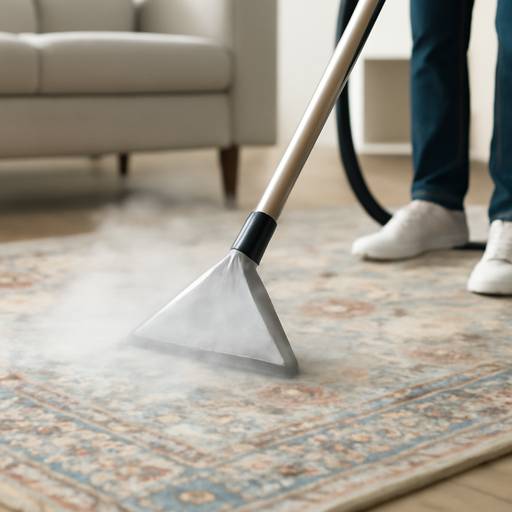
Synthetics like polypropylene or nylon are durable and stain-resistant, making them common in high-traffic NYC spaces. They tolerate hot-water extraction when appropriate, yet still benefit from pre-dusting and targeted spot treatments for oils or dyes. Natural fiber rugs such as jute and sisal are moisture-sensitive; low-moisture or dry compound methods help prevent shrinkage and discoloration.
Pet urine requires special handling regardless of fiber. Surface cleaning won’t reach salts and bacteria absorbed into the foundation; true odor removal often involves a submersion decontamination bath, enzyme or oxidizing treatments, and thorough rinsing. Consider a real-world example: a wool Moroccan rug in a Brooklyn brownstone had repeated pet accidents and a persistent odor. After dye testing, the team performed a targeted bath with odor-neutralizing agents, centrifuge extraction, and controlled drying. The result was a fresh, soft rug with no lingering smell—and colors that popped again.
Another scenario: a silk runner in an Upper East Side hallway suffered a red wine spill. DIY blotting helped, but the remaining stain risked dye bleed. Gentle specialty spot work followed by low-moisture cleaning saved the runner’s sheen and prevented distortion. Outcomes like these underscore why fiber knowledge, dye testing, and tailored chemistry matter for safe, effective results.
Choosing a Local Rug Cleaning Service in NYC: What to Expect and Real-World Results
Selecting the right provider starts with expertise and transparency. Look for in-plant cleaning (not just on-site surface work), technicians trained in fiber identification and dye testing, and clear explanations of methods and pricing (often by square foot). In New York, building requirements are non-negotiable—reliable cleaners supply insurance documentation, protect your home during pickup, and coordinate around elevators or doorman schedules. Ask about eco-friendly products, odor treatments, moth protection, stain protection, and whether light furniture moving is included. Typical turnaround is 5–10 days, with rush options when needed.
The customer experience should feel simple: book a visit, get a written assessment, and approve the work. On pickup, the rug is inspected for stains, pet accidents, wear, moth activity, seam or fringe issues, and prior repairs. In-plant, it’s dusted, cleaned according to fiber and construction, rinsed thoroughly, and dried quickly to prevent browning or mildew. Before delivery, grooming, pile setting, and fringe finishing ensure your rug lays flat and looks refreshed. Pros can also install new rug padding designed for hardwood floors, improving stability and cushioning while reducing noise in multi-family buildings.
Daily life in NYC throws specific curveballs at rugs: salt and de-icer residues from winter sidewalks, black heel marks from busy lobbies, soot streaks from candles or steam radiators, and spills from coffee runs and takeout. A well-equipped service can remove dry soil measured in pounds from a single living room rug—an eye-opening reminder of what accumulates even in a tidy home. Post-cleaning, common feedback includes restored brightness, softer hand feel, and truly neutral odors rather than perfumes that mask problems.
Maintenance between professional cleanings helps extend results. Vacuum thoroughly—front and back—at least weekly for high-traffic rugs. Rotate rugs every six months for even wear; use a quality pad to prevent slipping and friction damage; and close shades during peak sun to limit fading. Blot spills immediately with white towels, working from the outside in. Avoid over-the-counter spotters with high alkalinity or optical brighteners, which can set stains or dull wool. For households with pets, a scheduled odor-neutralizing deep clean every 6–12 months keeps living areas fresh.
When you’re ready to schedule service, choose a local team that respects your time and your textiles. For residents seeking trusted rug cleaning NYC professionals, look for a provider that blends careful handwork, safe chemistry, fast drying, and thoughtful logistics across Manhattan, Brooklyn, Queens, the Bronx, and Staten Island. The right approach protects your rug’s structure, enhances color and texture, and turns the floor underfoot into a cleaner, healthier foundation for daily life.

Casablanca chemist turned Montréal kombucha brewer. Khadija writes on fermentation science, Quebec winter cycling, and Moroccan Andalusian music history. She ages batches in reclaimed maple barrels and blogs tasting notes like wine poetry.